
Research
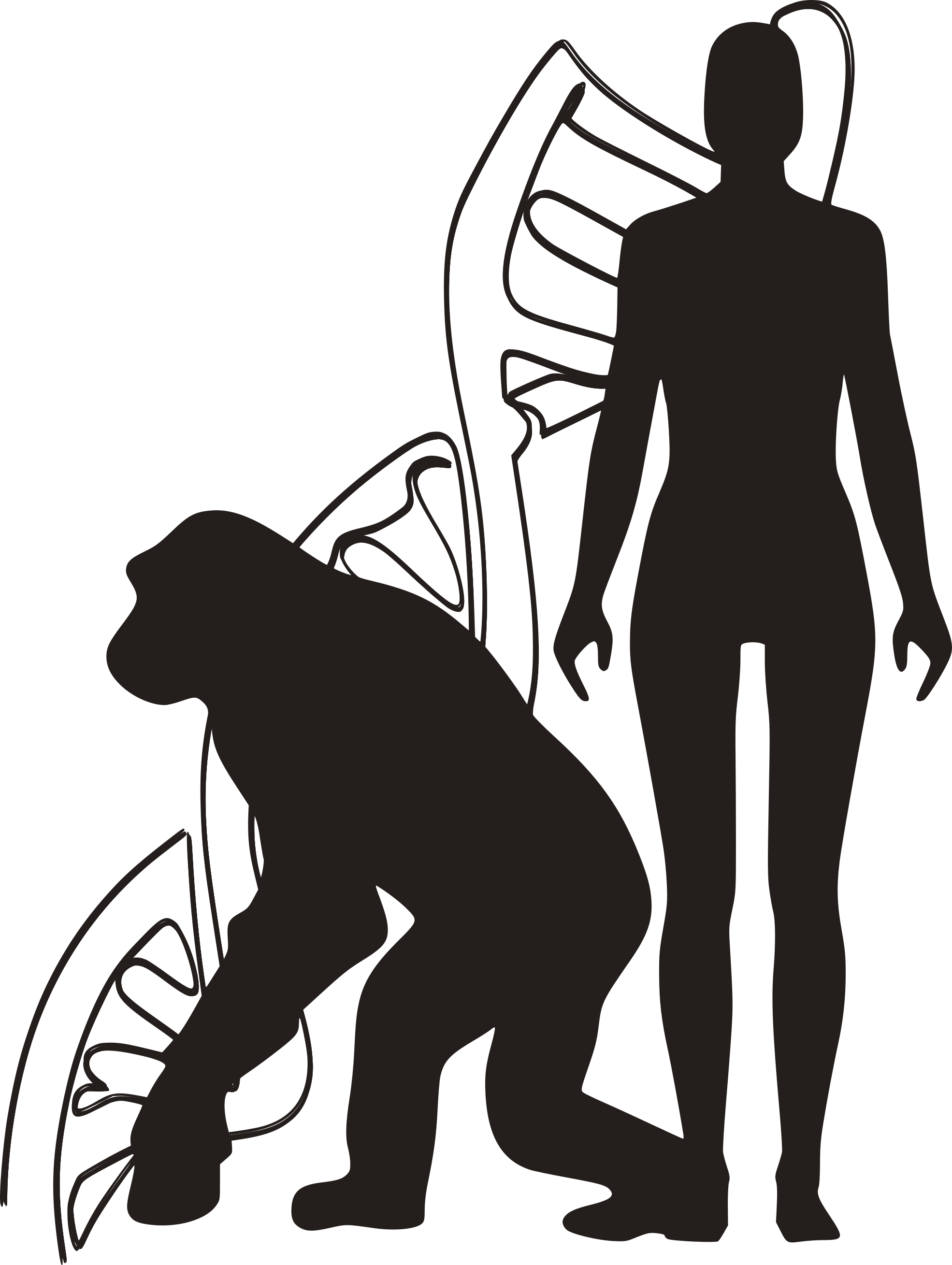
Tandem Repeat evolution
Tandem repeats (TRs) are highly mutable repetitive DNA sequences that can influence gene function and regulation, as well as disease-related phenotypes. Historically, they have been difficult to study due to technological limitations, but advances in high-fidelity long-read whole-genome sequencing and analytical tools now allow the characterization of TR variation at scale.
In my postdoc work, I study the evolution of TRs in primate genomes, focusing on humans and chimpanzees. Using assembly-level genomic data within and between species, we investigate TR mutational dynamics and test evolutionary hypotheses about how TR variation drives primate adaptation.
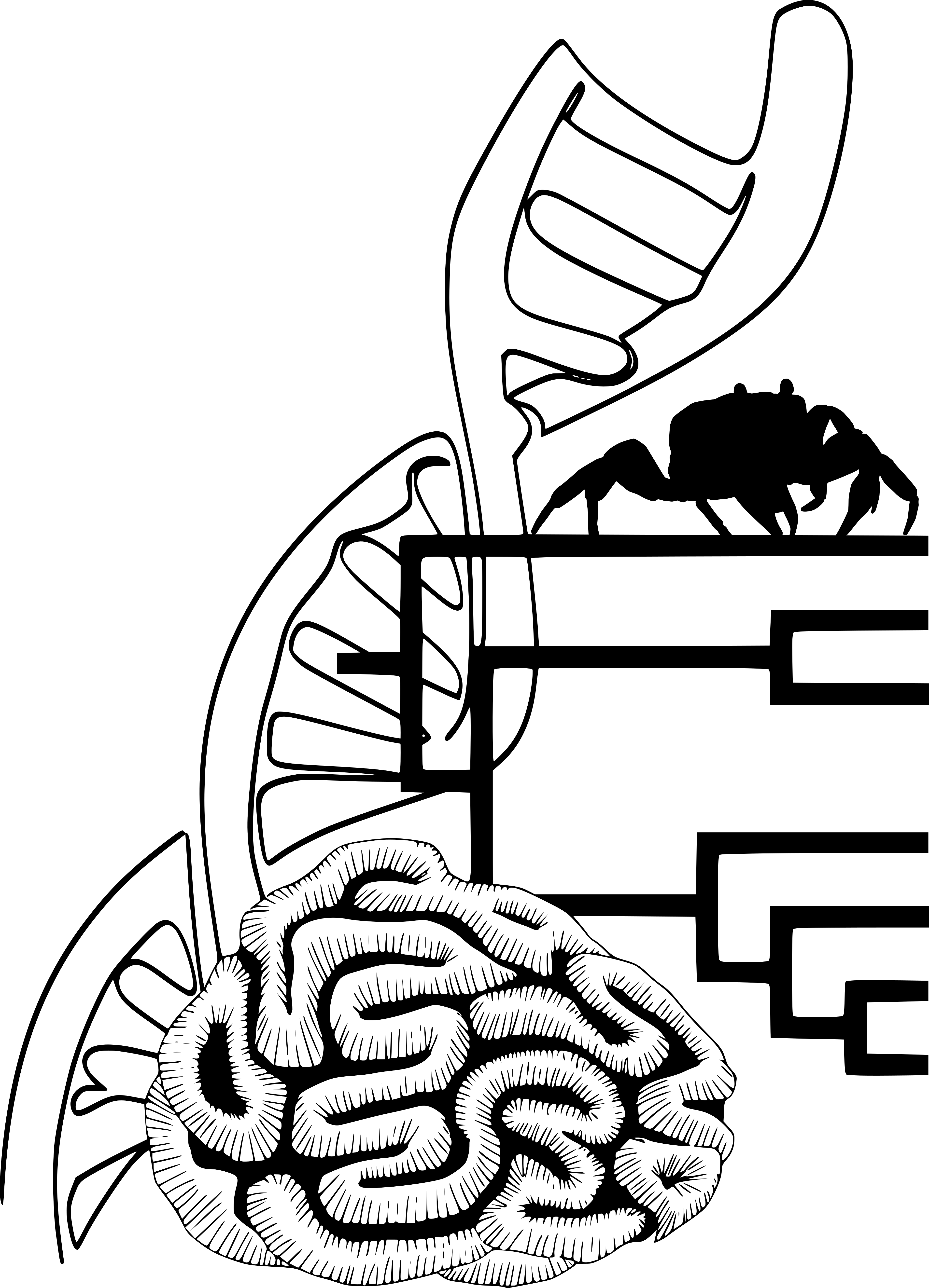
Phylogenetics of marine organisms
Coral reefs and coastal systems are among the most threatened ecosystems on Earth, and understanding the taxonomy, population structure, and evolutionary history of their constituent species is essential to building informed and effective conservation measures. This has motivated my interest in phylogenography, phylogenetics, and species delimitation of marine organisms, with a focus on how genetic diversity is structured across spatial scales.
During my PhD, I worked with reef-building corals, particularly understudied species from Brazilian and mid-Atlantic island reefs, using next-generation sequencing to describe their population dynamics and assess potential cryptic speciation. In parallel, I leveraged single-locus data to investigate the genetic diversity and population structure of semi-terrestrial decapod crustaceans from Brazil and Caribbean coastal and mangrove ecosystems.